:paragraph –>
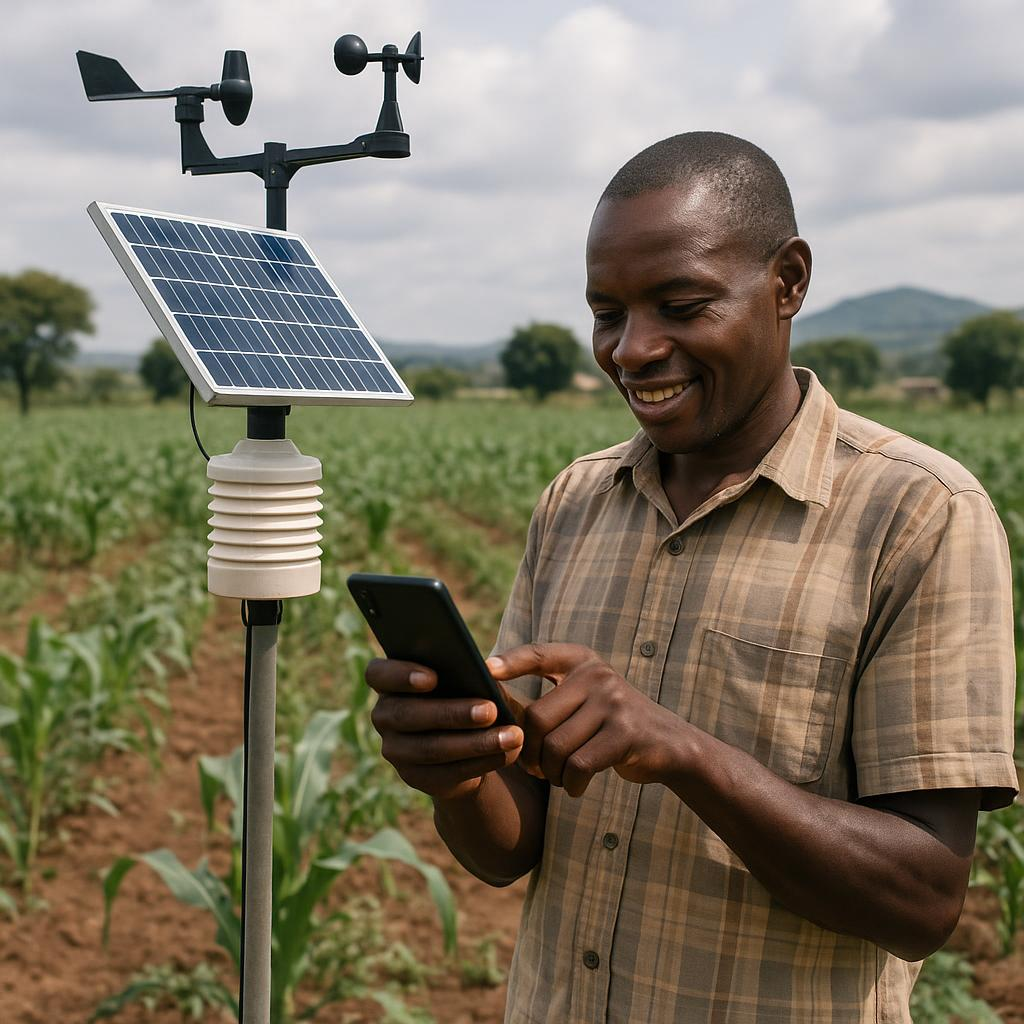
Imagine a future where a small farm in rural Kenya harnesses sophisticated AI-driven weather predictions and crop analytics—not just to survive, but to thrive. Picture growing businesses in Southeast Asia getting instant, automated loans approved in seconds via a smartphone. All across the globe, from bustling Lagos to the highlands of Peru, artificial intelligence isn’t just the stuff of science fiction anymore—it’s the fuel powering the next economic leap in emerging markets.
Emerging Markets Leap Into the AI Era
**In 2025, AI is rewriting what’s possible for entire countries, helping them bypass old roadblocks and accelerate progress.** Whether it’s transforming healthcare in Brazil, modernizing agriculture in Vietnam, or supercharging manufacturing in Africa, automation and AI-driven solutions are empowering nations once sidelined in the tech race to sprint to the front of the pack.
“AI is giving emerging economies the means to leapfrog traditional development stages—turning yesterday’s limitations into today’s opportunities.”
The story isn’t just about flashy new apps or robots—it’s about solving real, everyday problems, creating jobs, and building businesses. Let’s break down how, where, and why this transformation is happening—and how forward-thinking companies can be part of it.
Why AI Matters So Much for Emerging Markets
Imagine being able to skip the slow build-up of industrial infrastructure and tap into the latest tools instantly. That’s the promise of AI for many nations. It means:
- Greater access to healthcare, financial services, and education for people who were previously left out.
- Faster, data-driven decisions for farmers and manufacturers, boosting yields and efficiency.
- Smarter, scalable businesses that can compete globally from anywhere.
“AI allows us to go straight from having little to having the latest—bridging not just the digital divide, but the opportunity divide.”
Real-World AI Successes in Emerging Economies
Across continents, the impact of AI is concrete and immediate:
- Finance: AI-driven credit checks and microloans empower small businesses and individuals—especially in regions where banks are scarce.
- Healthcare: Automated diagnostics, telemedicine, and AI-powered patient triage help close the gap where doctors are few and far between.
- Agriculture: Smart sensors and predictive analytics help farmers combat droughts, pests, and climate change, supporting food security and rural economies.
- Manufacturing: Intelligent automation increases productivity and safety, making factories more responsive and competitive on a global scale.
These advances aren’t just incremental improvements—they represent a real jump forward.
Emerging markets are demonstrating that innovation isn’t just for the “developed” world. In many cases, necessity is the mother of invention—and adoption is faster when there’s no legacy infrastructure holding you back.
The Global Team-Up: Local Insight Meets International Investment
So, how is all this change happening? It boils down to two main drivers: visionary local entrepreneurs and the backing of international partners. Local innovators know their communities’ needs inside and out. They’re developing AI to match context—whether that’s a language, a crop, or a business risk unique to their market.
At the same time,
global investment is pouring in—from tech giants, venture capitalists, and development banks. This partnership brings resources, mentorship, and access to the best global practices. The combination is potent: those most familiar with local problems, empowered with world-class tools.
“It’s where local ambition meets global opportunity that we see AI’s biggest breakthroughs.”
Not Without Challenges: Infrastructure, Regulation, and Skills Gaps
Of course, the journey isn’t all smooth sailing. For every inspiring story, there’s a tough set of questions:
- Digital infrastructure: High-speed internet and reliable power are still luxuries in some regions. Without them, AI’s potential is limited.
- Regulation: Emerging markets must balance innovation with the need for privacy, safety, and fairness. Too much red tape—and progress slows; too little, and trust evaporates.
- Skills gaps: Building and maintaining AI takes expertise. There’s a race to train local talent—and make sure no one is left behind as the world automates.
Navigating these obstacles requires smart partnerships, creative solutions, and a commitment from both private and public sectors.
What’s at Stake? The Economic Upside—and the Risk of Being Left Behind
The stakes are high. Experts estimate that AI could contribute over $15 trillion to the global economy by 2030. For emerging markets, this isn’t just about competition—it’s about survival and sovereignty in a rapidly digitizing world.
“The difference between those who harness AI and those who don’t will only grow wider. The good news? With the right strategy, every market can be a winner.”
Already, some countries are outpacing others, setting benchmarks for sustainable growth. Those who fail to adapt risk being left behind—not just technologically, but economically and socially, too.
How Bridge AI Helps Emerging Markets Automate and Compete
Here’s where my expertise—and Bridge AI’s—becomes crucial. Automation is only powerful when it’s practical and accessible. That’s our mission: **to bridge the gap between complex technology and real-world impact, making AI solutions work for every business and community, regardless of their starting point.**
- **Process Optimization:** We help organizations analyze their current processes, spot inefficiencies, and implement automated AI-powered solutions tailored for their context—whether it’s supply chain, customer onboarding, or data analysis.
- **Scalable Solutions:** No high-cost, one-size-fits-all products. Every deployment is adapted for local infrastructure and team capability.
- **Education and Training:** Closing the skills gap by upskilling local teams, so they own, maintain, and evolve their AI systems.
- **Responsible AI:** Navigating ethical, regulatory, and data security challenges—so our partners can innovate with confidence and public trust.
Bridge AI is not just a tech provider—we’re a partner in transformation. Our hands-on approach ensures that process optimization and automation aren’t just buzzwords—they’re engines for sustainable growth, job creation, and competitive advantage.
Three Key Takeaways for Emerging Market Leaders
- Start Small, Scale Smart: Pilot projects in key sectors—finance, healthcare, agriculture—can provide proof of concept before a full rollout.
- Build for Inclusion: AI should empower, not exclude. Prioritize solutions that widen access and support community growth.
- Invest in People: Technology changes fast, but investing in education ensures a workforce that can keep pace and innovate for years to come.
Looking Forward: A New Era Begins
The AI revolution in emerging markets is just getting started. The most exciting innovations will be local, practical, and human-centered. With the right partners like Bridge AI, every business, farmer, entrepreneur, and healthcare worker stands to gain.
“AI is not about replacing people—it’s about empowering them to solve old problems in new, better ways.”
If you’re ready to kick-start your own process optimization and automation journey—or want to partner for broader impact—
let’s work together and build the future, today.
#AIForGrowth #EmergingMarkets #Automation #DigitalTransformation #BridgeAI #InnovationForAll #FutureofWork #ProcessOptimization #InclusiveAI